How to Choose a Non-Toxic Candle in the UK
People look for non-toxic candles for different reasons. Some find heavily fragranced candles overpowering. Others want fewer synthetics in their homes. Many simply want to know what they're burning.
The trouble is, "non-toxic" isn't a regulated term in the UK candle market. Anyone can use it. That makes it less a guarantee and more a starting point for asking better questions.
This guide explains what UK buyers should look for when they want candles that burn more cleanly—without the marketing fluff or absolute promises that don't hold up.
What "Non-Toxic" Actually Means (and Doesn't)
When people search for non-toxic candles, they usually mean one of three things:
- No synthetic fragrance oils – Many want to avoid petroleum-derived scents and the undisclosed ingredients they often contain
- No paraffin wax – Paraffin is a byproduct of petroleum refining; some prefer plant-based alternatives
- Better air quality – They want to minimise soot, particulates, and potential irritants in enclosed spaces
Burning anything creates byproducts. Even the cleanest candle releases small amounts of particulate matter. What matters is degree, transparency, and whether the manufacturer is willing to tell you exactly what's inside.
'Non-toxic' has no clear, standard meaning in the UK candle market. When you see the claim, it makes more sense to look past the label and focus on ingredients, fragrance source, wax type, and how the candle is made.
Wax Types: What UK Buyers Should Know
The wax is the foundation of any candle. In the UK market, you'll encounter four main types:
Paraffin Wax
The most common and cheapest option. It's a byproduct of petroleum refining. Paraffin candles burn well and throw scent effectively, but they can produce more soot than plant-based alternatives. Some studies have raised questions about indoor air quality with heavy paraffin use, though the evidence isn't conclusive enough for regulatory action.
Soy Wax
Popular with cleaner-burning brands. Soy is vegetable-derived and generally produces less soot than paraffin. However, most soy wax sold in the UK is imported (often from the US), which raises questions about agricultural practices and transport emissions. It also tends to have a softer throw and can struggle in larger rooms.
Beeswax
Naturally occurring and long-burning. Beeswax candles are excellent but expensive. They have a subtle honey scent that doesn't hold added fragrance well, so they're less common for scented decorative candles. Also, beeswax isn't vegan, which matters to some buyers.
Rapeseed-Coconut Blends
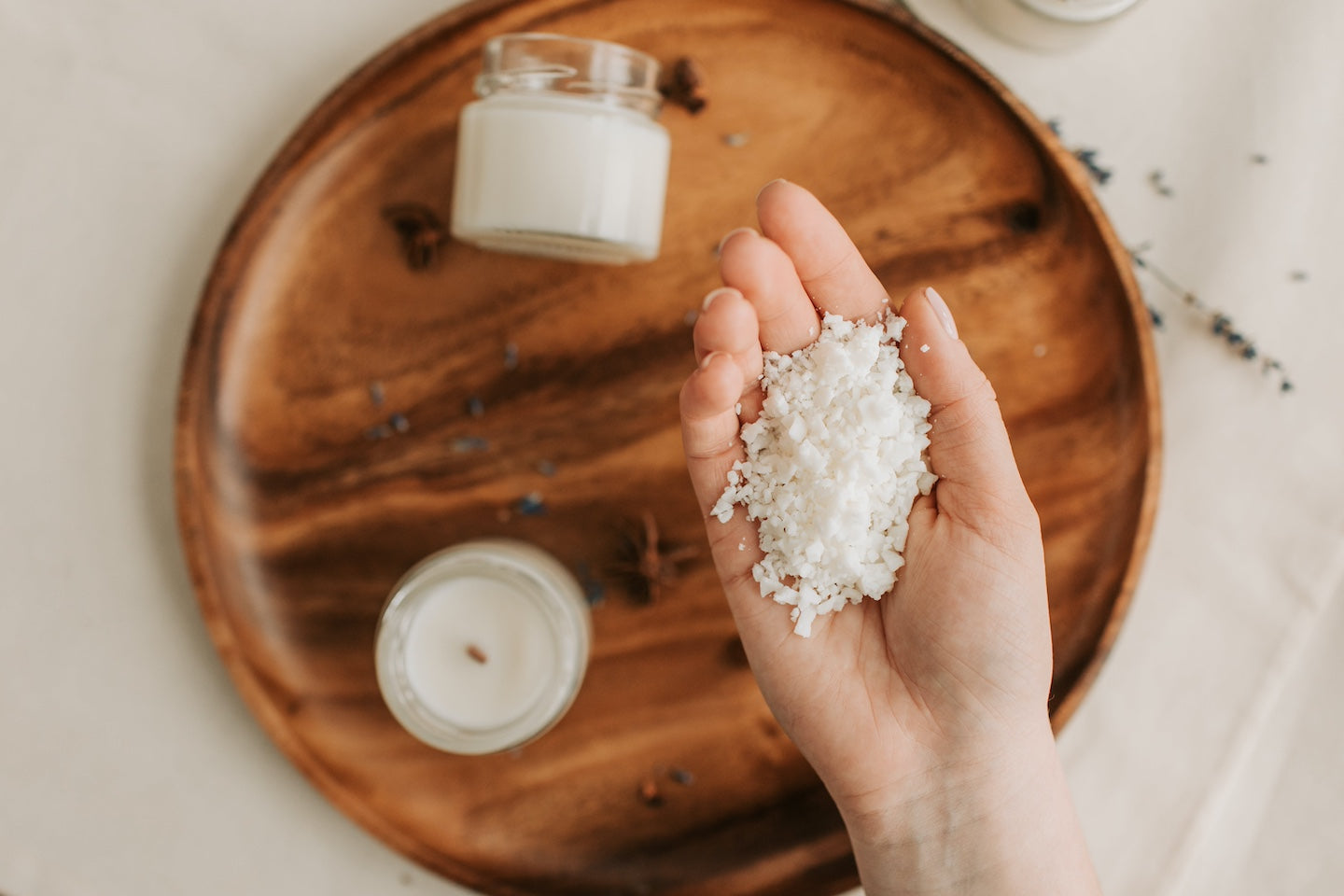
Increasingly popular among UK-made candle brands. Rapeseed (canola) grows well in British and European climates, reducing transport miles. When blended with coconut wax, it offers good scent throw and clean burning. This combination supports local agriculture while delivering performance comparable to soy.
What to look for: Brands that name their specific wax blend rather than hiding behind vague terms like "natural wax" or "premium blend." Transparency about sourcing matters more than buzzwords.
Fragrance: The Hidden Complexity
This is where candle marketing often gets vague.
"Fragrance" or "parfum" on a label can mean anything. Under EU and UK regulations, fragrance formulations are considered trade secrets. Manufacturers don't have to disclose individual components. A single "fragrance" listing might contain dozens of ingredients—some synthetic, some natural.
Synthetic Fragrance Oils
Petroleum-derived, consistent, and cheap. They offer strong scent throw and unlimited variety. The downside? They can contain phthalates (though many suppliers now offer phthalate-free options), and the full ingredient list remains hidden. Some people report headaches or respiratory irritation from certain synthetic fragrances.
Essential Oils
Concentrated plant extracts. They offer transparency—you know the oil came from actual lavender, bergamot, or cedarwood. However, essential oils are more expensive, trickier to work with in candle formulations, and generally produce a softer scent throw. They also have therapeutic associations that some buyers value.
Worth noting: essential oils aren't automatically safe for everyone. Some essential oils can irritate sensitive individuals or pets. Citrus oils can be phototoxic. The dose and formulation matter.
What to look for: Brands that specify whether they use essential oils, synthetic fragrances, or a blend. If they use synthetics, do they source from reputable European suppliers with safety data sheets? Do they mention phthalate-free formulations?
Wicks, Dyes, and the Details That Matter
A candle is more than wax and scent. The wick material affects burn quality and potential emissions:
- Cotton wicks – Standard, clean-burning when properly sized
- Wooden wicks – Trendy, create a crackling sound, but require more precise formulation
- Metal-cored wicks – Sometimes used to keep wicks upright; zinc cores are common and considered safe, but lead cores (now banned in the UK and EU) were once problematic
Dyes add another variable. Synthetic dyes are common and generally considered safe, but they can affect how cleanly a candle burns. Undyed candles eliminate this variable entirely.
What to look for: Brands that specify cotton or natural wicks. If a candle is heavily dyed in vivid colours, ask whether that affects burn quality.
The UK Context: Regulations Worth Knowing
UK and EU candle regulations (the General Product Safety Regulations and the European Candle Association standards) focus on fire safety and basic chemical restrictions. They don't certify "non-toxic" claims or regulate indoor air quality from candles specifically.
What this means: A candle can comply fully with UK law and still contain ingredients you'd rather avoid. The regulations are a floor, not a ceiling.
Some UK brands go further by:
- Publishing full ingredient lists voluntarily
- Using only EU-sourced fragrance suppliers with full safety documentation
- Testing for soot emissions (though there's no standardised certification for this)
- Manufacturing in small batches with tighter quality control
Red Flags and Green Flags
Red flags:
- Vague claims like "100% natural" or "chemical-free" (everything is chemicals; the claim is meaningless)
- No ingredient information whatsoever
- "Non-toxic" used as a primary selling point without explanation
- Extremely cheap candles with strong scent throw (usually indicates heavy synthetic fragrance loads)
- No information about where or how they're made
Green flags:
- Specific wax types named (not "natural wax blend")
- Clear statements about fragrance sources
- UK or EU manufacturing
- Small-batch production
- Willingness to answer detailed questions about ingredients
- Transparent about what they don't use (e.g., "no paraffin," "phthalate-free")
What Silk & Fire Does Differently
This guide comes from Silk & Fire, our London studio. Here's what we actually do:
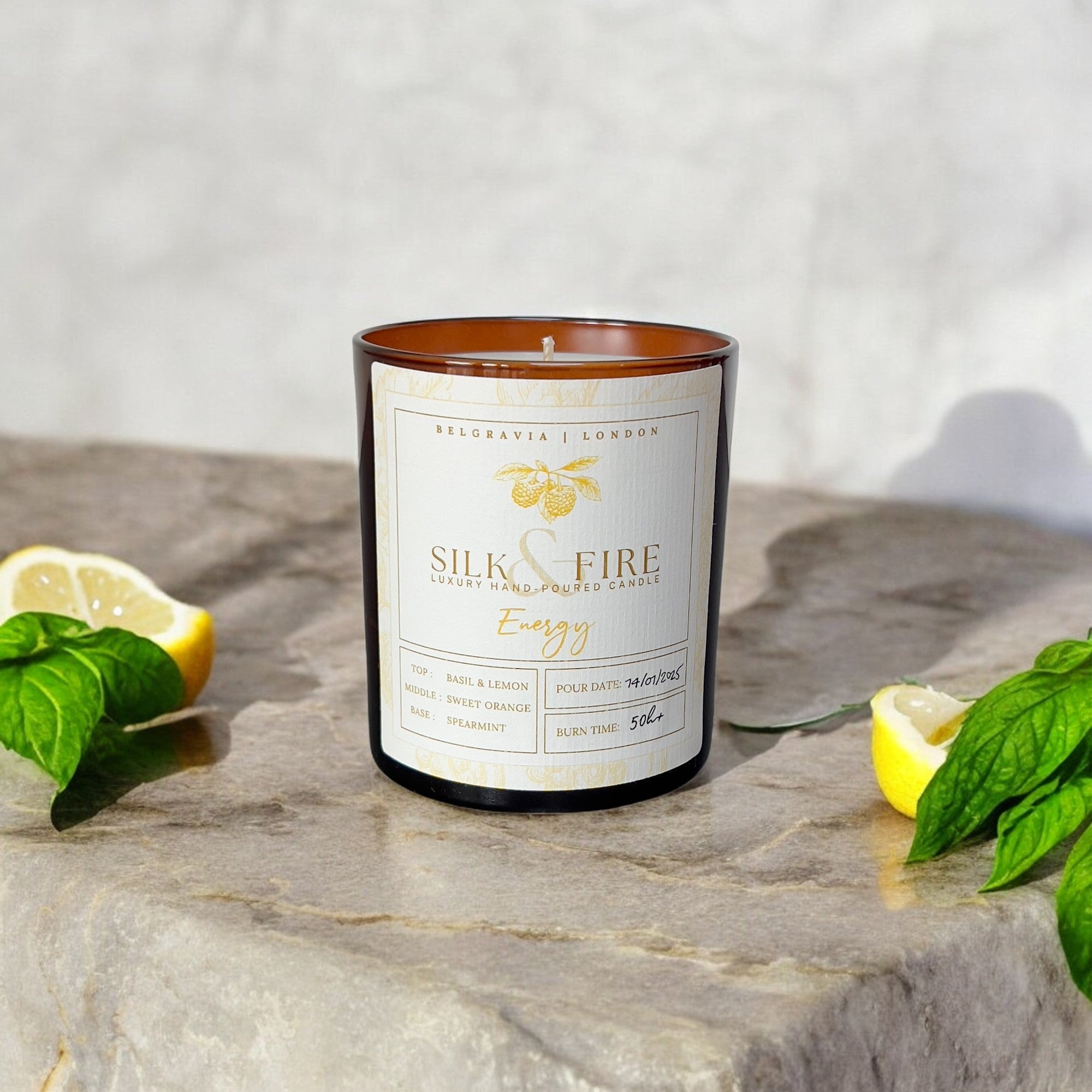
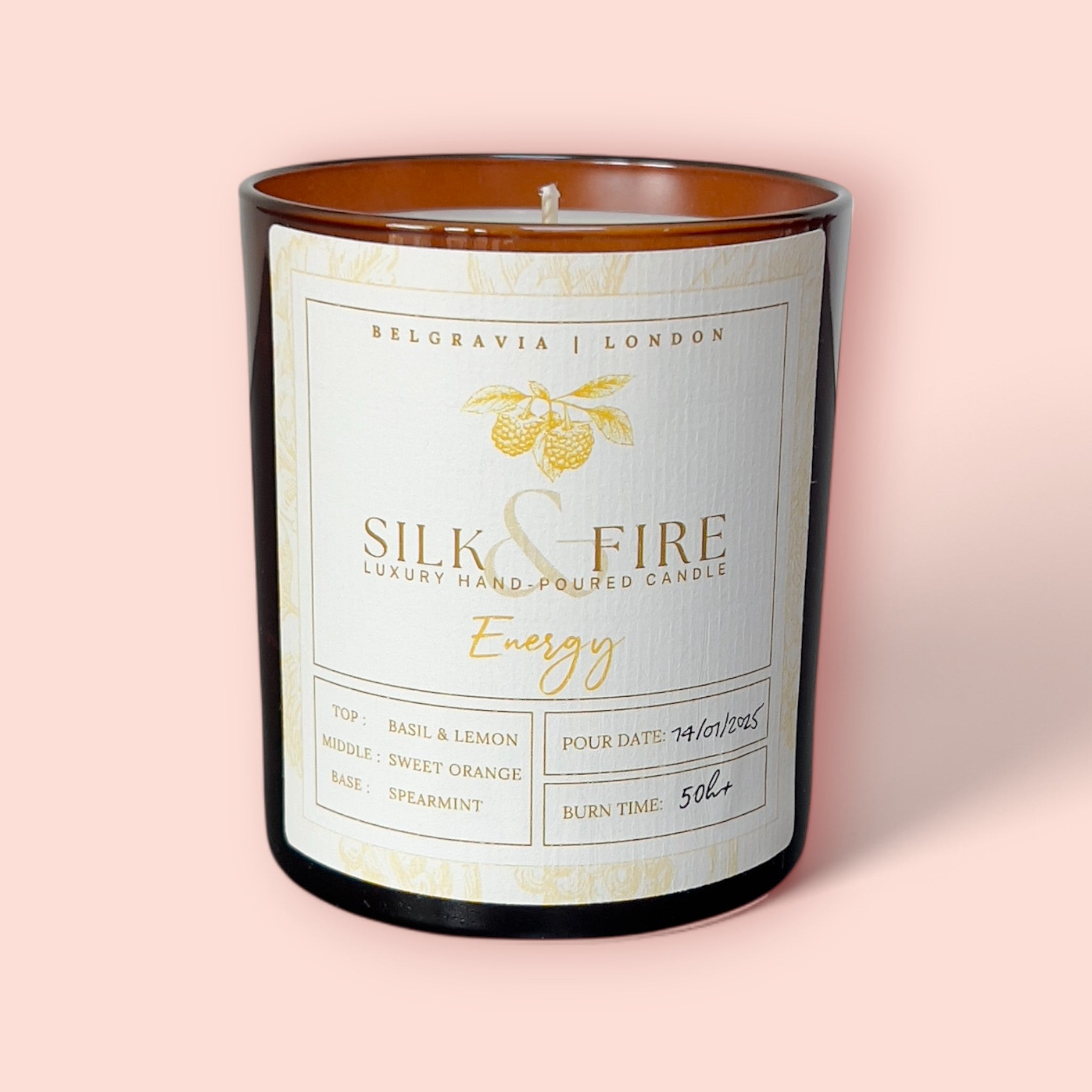
Our wax: We use RCX, a rapeseed-coconut blend. Rapeseed grows in the UK and EU, so our base wax doesn't travel thousands of miles. The coconut component comes from sustainable sources. We don't use paraffin.
Our fragrance: We use essential oils, not synthetic fragrance oils. This means our scent range is narrower than mass-market brands—we work with what nature provides rather than what a lab can synthesise. It also means our throw is more subtle. because we prefer a clearer, more transparent approach to scent.
Our wicks: Cotton, always. No metal cores.
Our batches: Made in small quantities in London. We can tell you when a candle was poured and what batch it came from.
What we don't claim: We don't call our candles "non-toxic" as an absolute promise. We don't make health claims. We don't pretend that burning anything is entirely without effect. What we offer is transparency about ingredients and a commitment to using the cleanest materials that perform well.
How to Choose: A Simple Framework
If you're shopping for cleaner-burning candles in the UK, start with these questions:
- What's the wax? If the brand won't say, that's information in itself.
- What's the fragrance source? Essential oils, synthetics, or a blend? Each has trade-offs.
- Where is it made? UK and EU manufacturing typically means stricter regulatory oversight and shorter supply chains.
- Does the brand answer questions? Email them. See if they know their own supply chain.
- Is the price realistic? Quality essential oils and plant-based waxes cost more. Suspiciously cheap "natural" candles usually aren't.
The Bottom Line
No candle improves air quality. The question is how much you're adding to your indoor environment and whether you know what's being added.
'Non-toxic' works as a search term. As a product claim, it's too vague to mean much. Better to look for specific practices: named waxes, disclosed fragrance sources, UK manufacturing, and brands that treat transparency as standard rather than exceptional.
The best candle is one you understand.
---
Explore our essential oil candle collection, hand-poured in London with rapeseed-coconut wax. Or learn more about our London studio and how we make our small-batch candles.
Related Posts

The Benefits of Beeswax in Aromatherapy: Natural, Clean and Therapeutic

The Real Benefits of Beeswax: Natural Quality, Craft Tradition and Everyday Uses
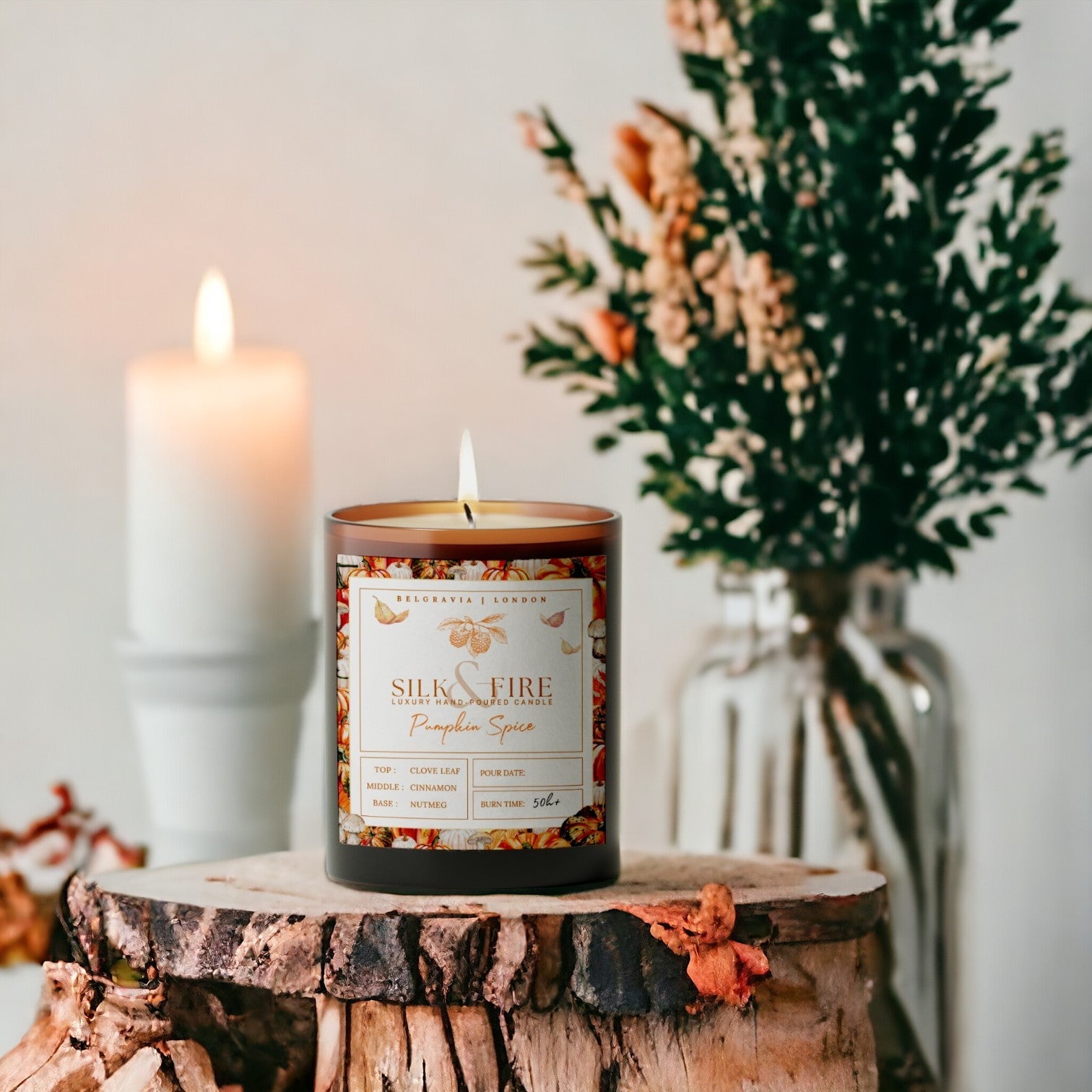
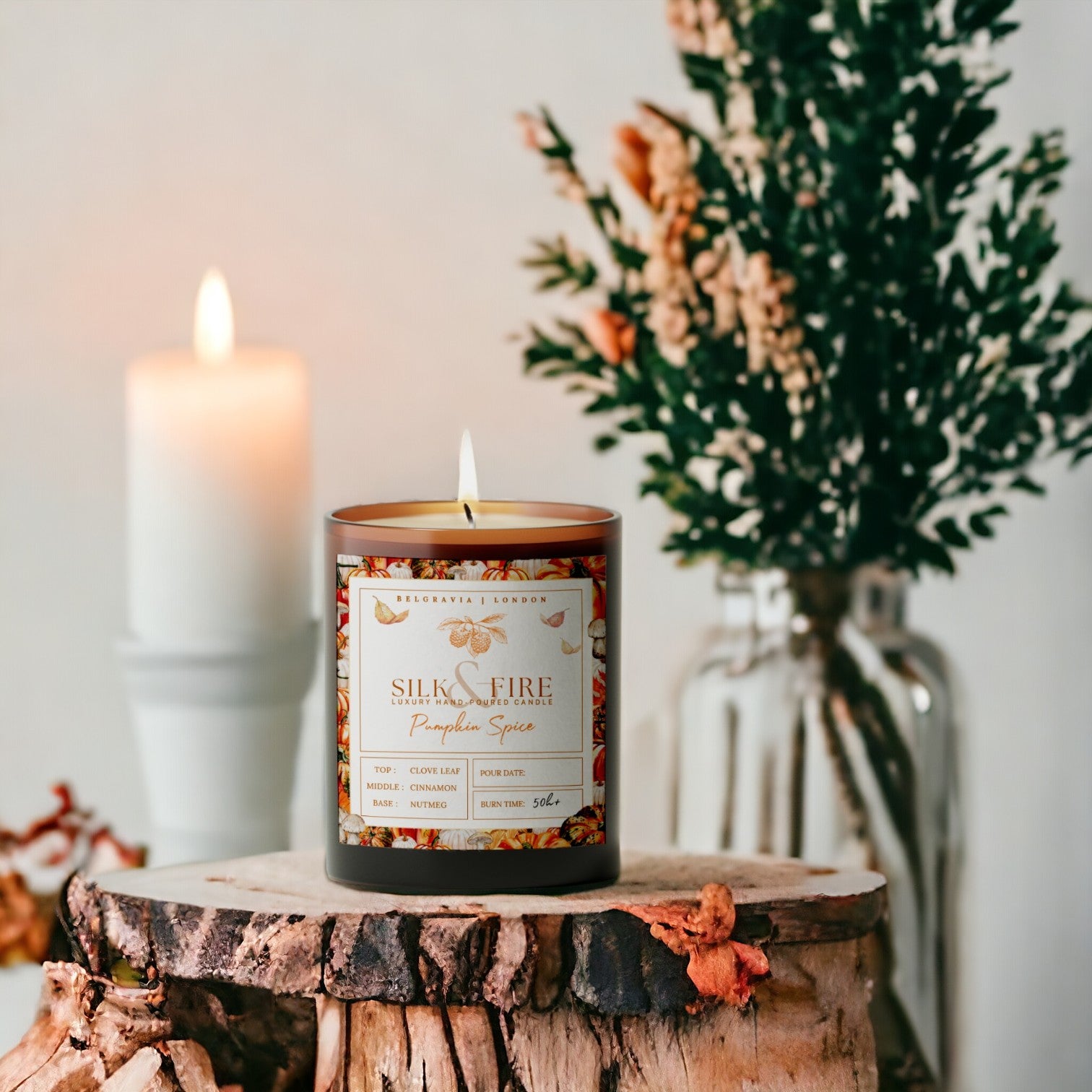
Pumpkin Spice Candle by Silk & Fire: a natural autumn candle that smells like the season

Embrace the Dark Side: Why "Dark Romance" is the Hottest Home Trend of 2025 - Silk & Fire

Candles and Scents: A Guide to Aromatherapy Candles, the British Way