Candles and Scents: A Guide to Aromatherapy Candles, the British Way
A good candle does something a room can't do on its own. It changes how the space feels in about thirty seconds. The lamp goes on, the flame goes up, and the evening begins.
This is a guide to how scent works in a home, how to choose the right candle for the right room, and why we pour ours the way we do. If you've ever stood in a shop wondering whether to go for citrus or lavender, or why one candle smells warm and another smells synthetic, this should help.
We're Silk & Fire. We make small-batch natural candles using a plant-based coconut and rapeseed wax and essential oil blends. The brand was established in Belgravia, where our founder Liz made her first batch in her kitchen. These days we pour from a studio in South West London, gift-box them by hand, and ship across the UK.

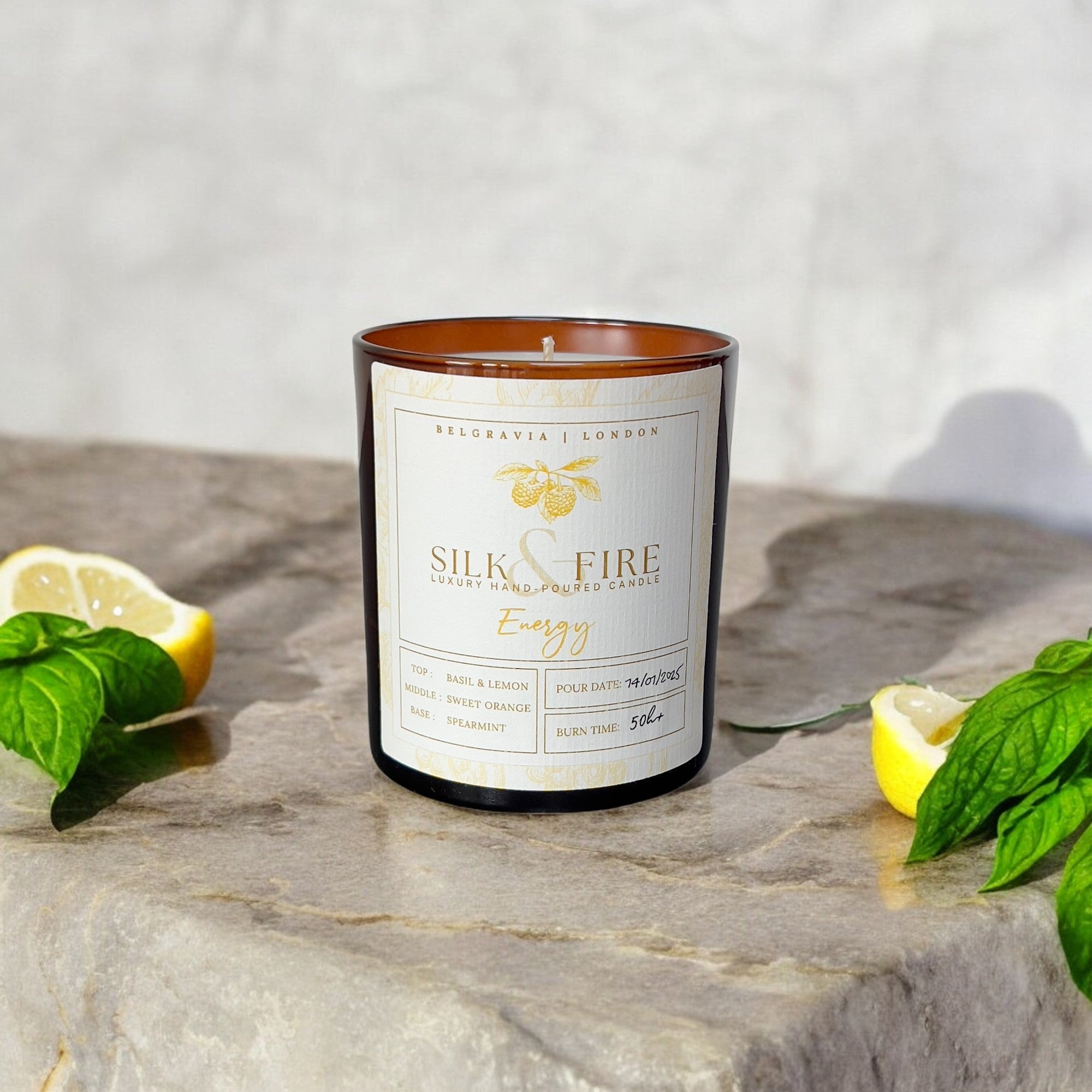
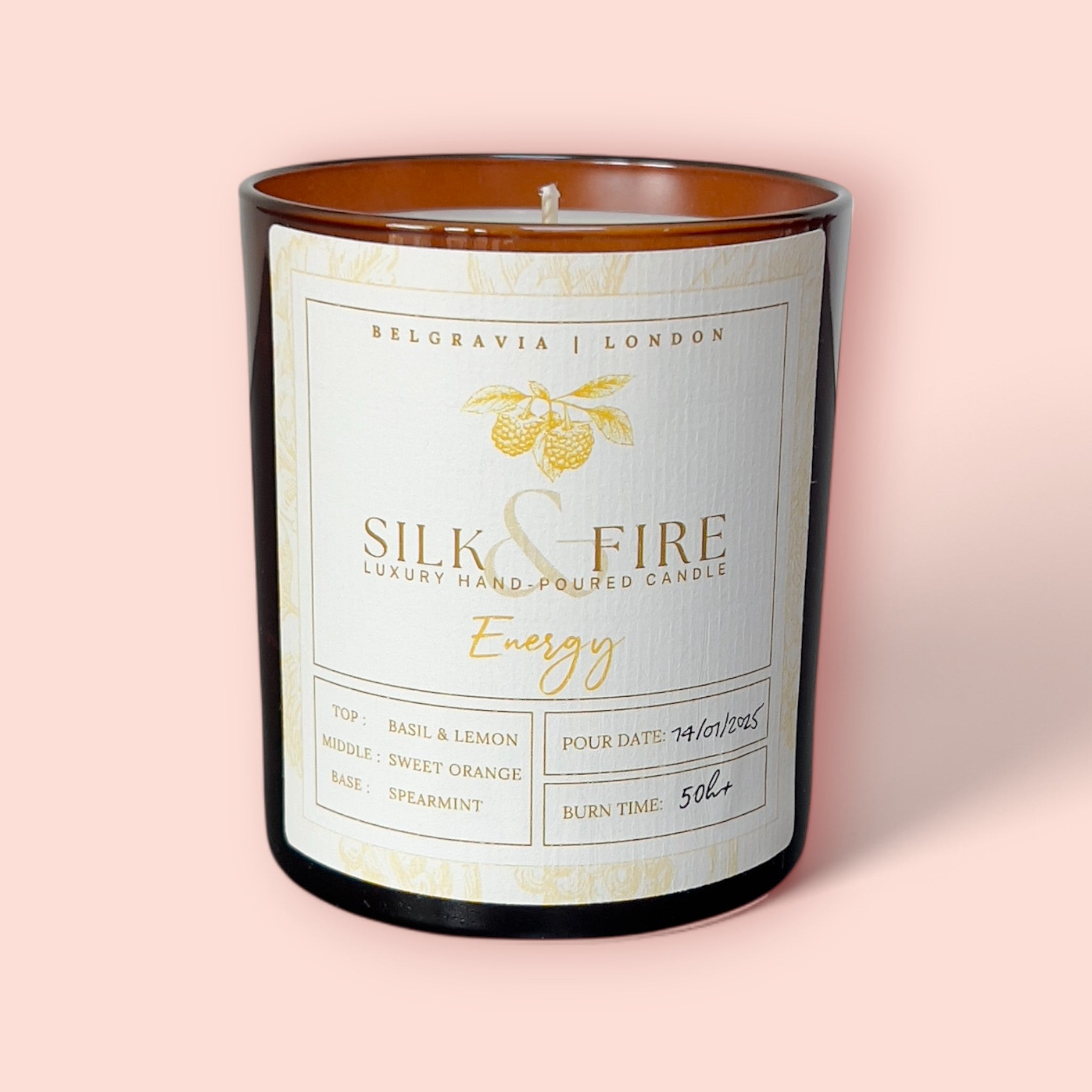
Every Silk & Fire candle: 30 cl amber glass, up to 50 hours of clean burn, scented with natural essential oils only.
Why scent works the way it does (the honest version)
Scent is the most direct of the five senses. When you smell something, the aroma molecules travel through the olfactory bulb and plug straight into the parts of the brain that handle emotion and memory. That's the reason a particular candle can make a room feel calmer or brighter within minutes of lighting it, and the reason a scent from childhood can bring back a specific kitchen, a specific Christmas, a specific person.
There's a lot of interesting research on essential oils and how people respond to them, and there's also a lot of tenuous internet-science floating around. We're going to stay out of that. What we can say confidently is this: natural essential oils smell different from synthetic fragrance. Richer, more complex, closer to the plant they came from. That's because an essential oil is the distilled aromatic material from a real botanical, and a synthetic fragrance is a lab-built approximation. Both have their place. We just prefer the real thing.
What a "natural" candle actually means
"Natural" is a word that gets used loosely in the candle world. Here's how we define it for ourselves:
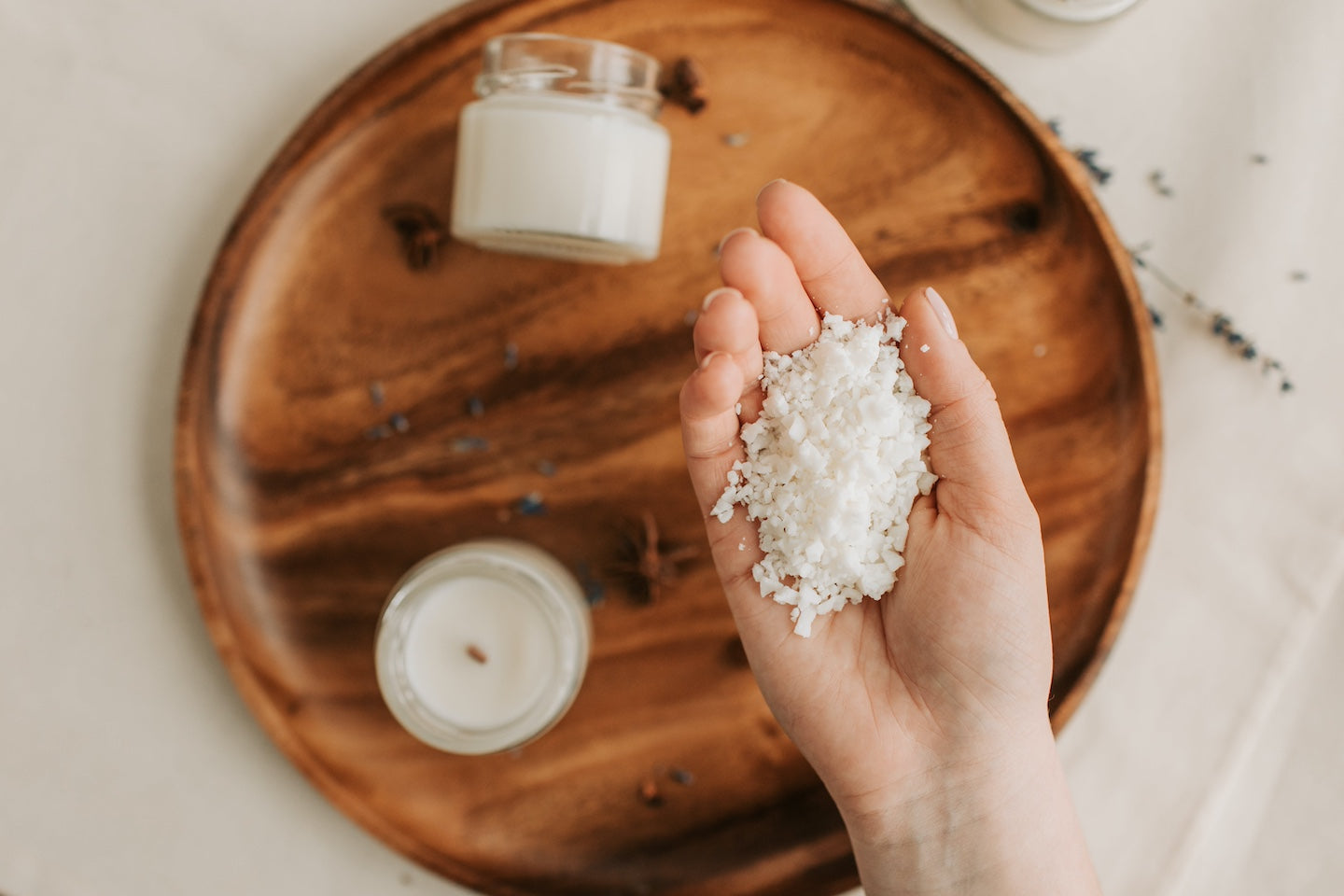
- The wax is plant-based. Ours is a coconut and rapeseed blend, with no paraffin and no soy.
- The scent comes from essential oils. No synthetic fragrance oils, no phthalates.
- The wick is cotton. No lead, no zinc core.
- The burn is clean. Plant wax burns cooler than paraffin and doesn't produce the same soot.
That combination gives you a candle that throws scent well without the artificial note you get from heavily fragranced mass-market candles. It also means there's nothing in the jar that doesn't need to be there.
The Silk & Fire range: which candle for which room
We make seven candles. Here's how they actually smell, what they pair well with, and where to put them.
For calm evenings and bedrooms
Floral Relief
Neroli, lavender, geranium, clary sage. A clean floral with a green, herbal edge. Properly grown-up, nothing perfumed about it. This is the candle for bedrooms, post-bath, slow Sunday mornings with the windows open.
Meditation
French lavender, thyme, ylang ylang. A soft, herbal-floral blend that lowers the volume of the room. Evening reading, yoga, the wind-down hour. The thyme stops the lavender from going too sweet.
Cosy Night
French lavender, cinnamon, ylang ylang, Himalayan cedarwood. The winter sofa candle. Soft, woody, faintly spiced. The cedarwood is the longest-lasting note, which makes this one of our most popular bedroom scents.
For kitchens, mornings and energy
Citrus Relief
Lime, grapefruit, bitter orange, cypress. Sharp, fresh, a little woody underneath. The candle for kitchens, post-cooking, and the home office on a slow start.
Energy
Lemon, sweet orange, basil, spearmint. Bright and a bit herbal. This is the morning candle. Light it when the kettle goes on, when you sit down with the laptop, when the room needs a bit of waking up.
For slow evenings and occasions
Aphrodisiac
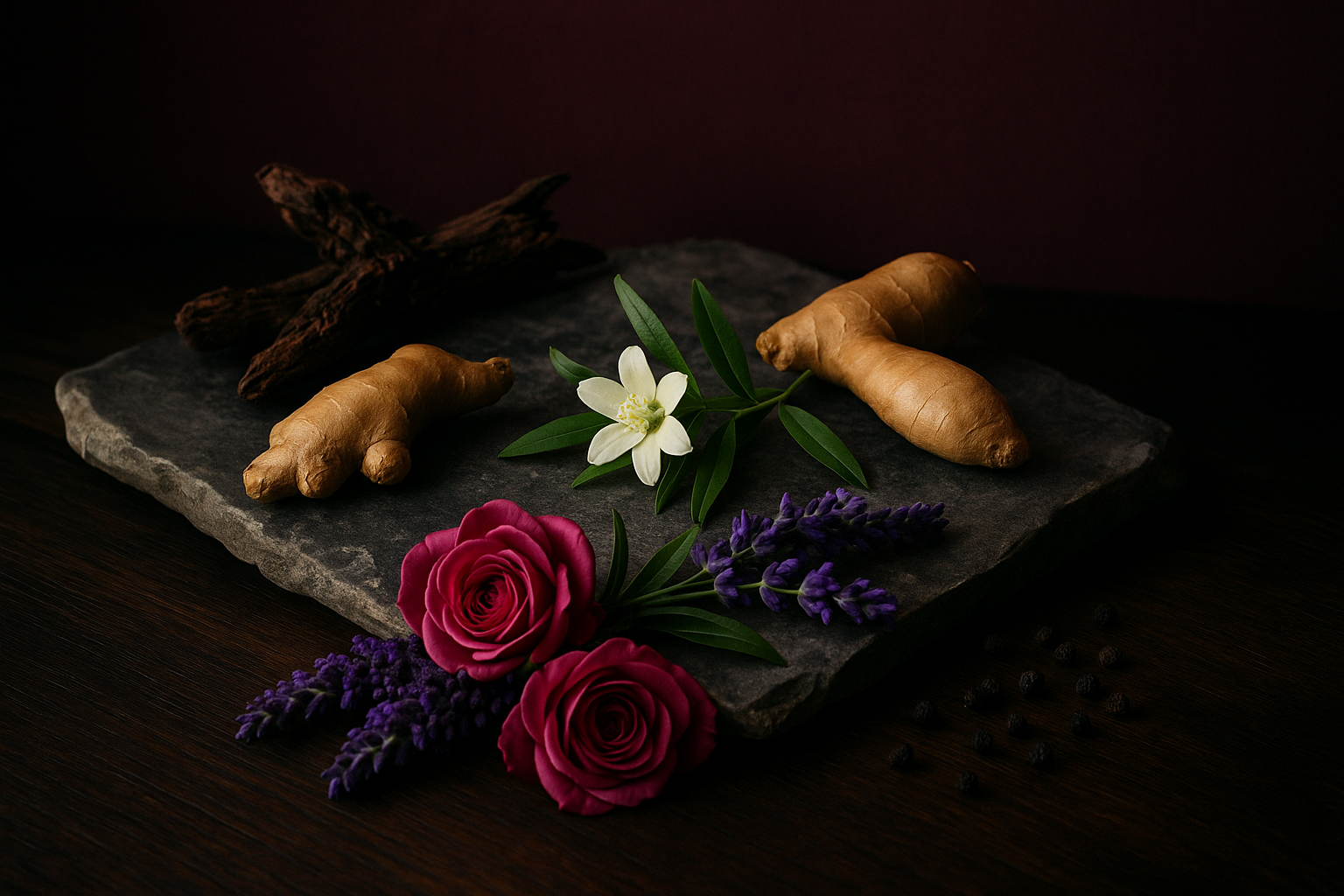
Black pepper, ginger, neroli, nutmeg. Warm, slightly spiced, grown-up. The candle for slow dinners, date nights, and the kind of evening that wants a bit more atmosphere than usual.
Pumpkin Spice
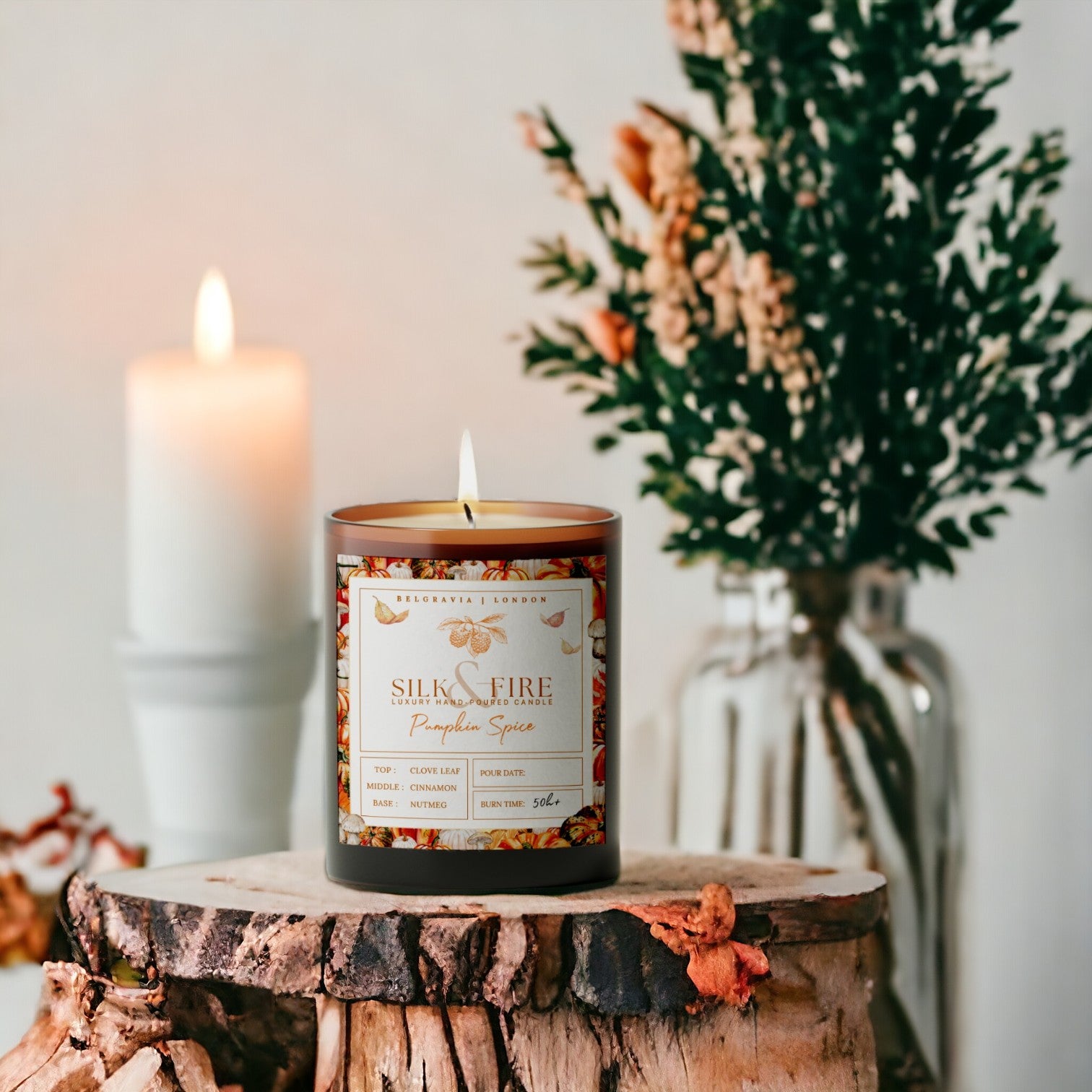
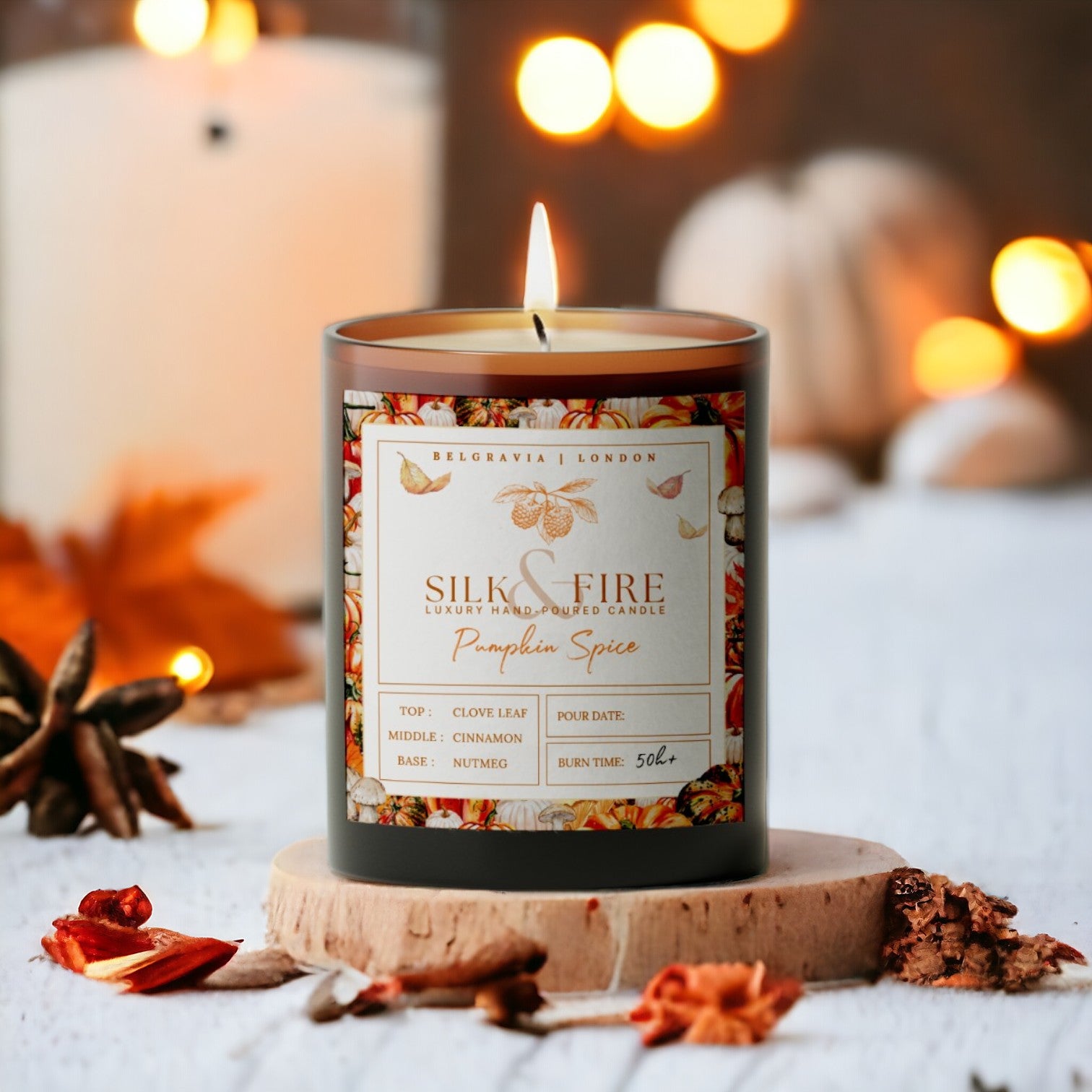
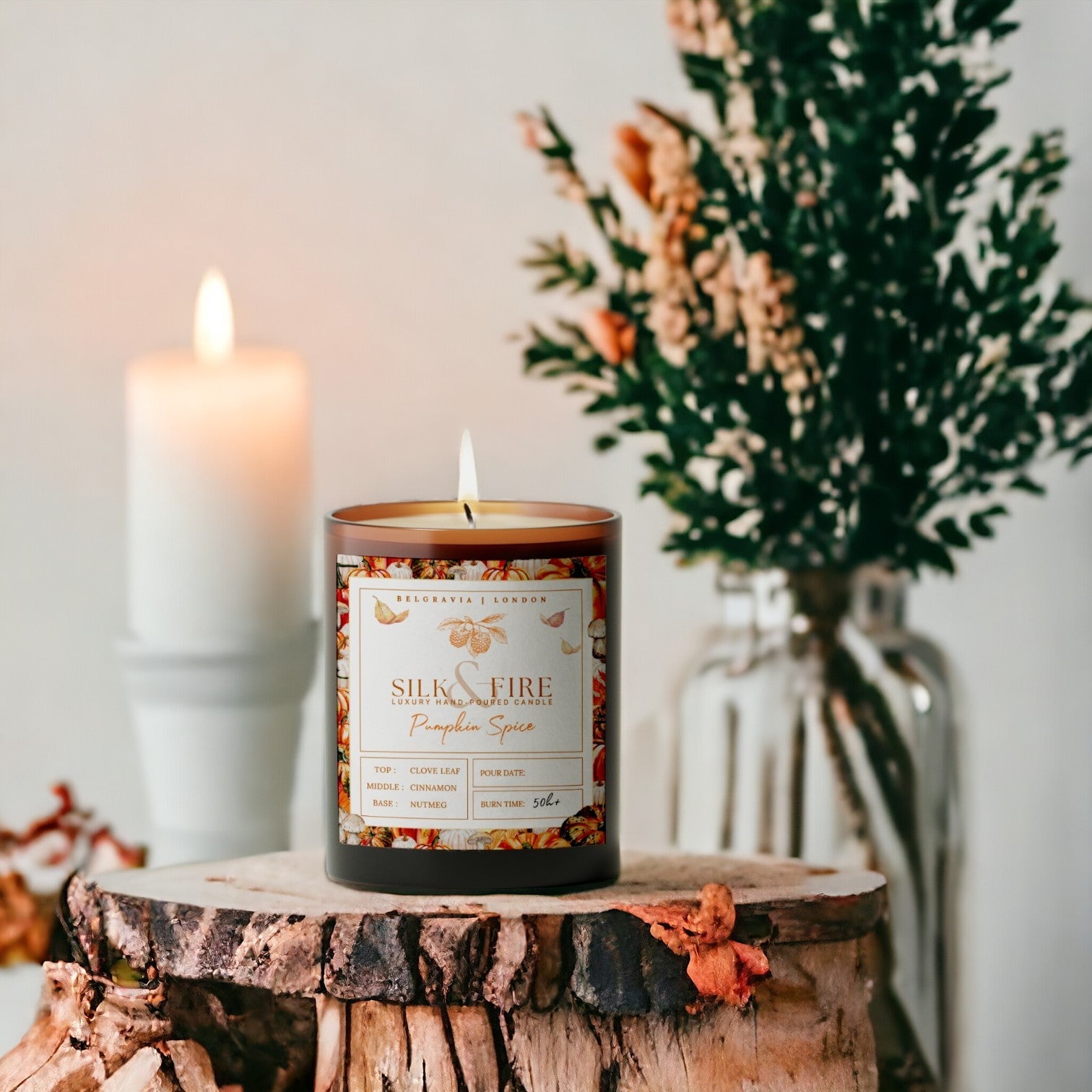
Clove leaf, cinnamon, nutmeg. A dry, real-spice autumn candle, no vanilla, no syrup. For darker evenings, a book, the radiator finally back on.
How to layer candle scents at home
The best-smelling homes don't smell like one thing. They smell like a considered sequence of things that match the room and the time of day. Here's how we'd approach it.
By time of day
- Morning: Citrus Relief or Energy in the kitchen or entryway. Sharp and bright sets the tone for the day.
- Late afternoon: Floral Relief in the living room. Softer, but not yet sleepy.
- Evening: Meditation or Cosy Night in the bedroom. Warm, quiet, ready for the wind-down.
By room
- Home office: Energy or Citrus Relief. You want fresh, not heavy.
- Bathroom: Floral Relief sitting on a wooden tray. It turns a bath into something slightly ceremonial.
- Living room: Whichever you're in the mood for. This is where scent rotates most.
- Bedroom: Cosy Night or Meditation. Nothing citrus in the evening, it can feel too awake.
- Dining room: Unscented candles at the table (so they don't fight with the food), and Aphrodisiac lit in the background before guests arrive.
By season
Rotate the scents with the weather. Citrus and florals for spring and summer. Spice and wood for autumn and winter. Lavender and wood work year-round. Nothing makes a house feel lived-in faster than a candle that matches the season outside.
How to burn a candle properly
The difference between a candle that lasts 50 hours and one that gives up after 20 is almost always down to how it gets treated. Three things:
Let the first burn finish. On the very first light, give the candle two to three hours so the wax pool reaches the edge of the jar. Candles have memory. If the first burn tunnels, every burn after that will tunnel. One slow first burn saves the whole candle.
Trim the wick to 5 mm before every light. Long wicks produce soot and taller flames, both of which shorten the candle's life and soften the scent throw. Nail scissors work.
Burn it for 2 to 3 hours, not longer. After that the jar gets hot, the wick starts to mushroom, and the oils start to burn off rather than release their scent. Blow it out, let it rest, light it again tomorrow.
Keep the candle away from drafts, open windows, heat sources, children, pets, and anything that can catch fire. Burn it on a heat-resistant surface. When the wax is down to about 10 mm from the bottom of the jar, it's time to stop and reuse the container.
What we're about
Silk & Fire started as a kitchen project in Belgravia. Liz was looking for a candle that smelled properly natural, didn't fill the room with synthetic fragrance, and came in a jar that was worth keeping. She couldn't find it, so she made her own. That first batch went to friends, the friends came back asking for more, and by the time the pot was empty the brand existed.
We still make candles the same way we did then. Small batches, poured by hand, tested in real rooms. The wax is plant-based. The oils are essential oils, not synthetic fragrance. The gift box is included. The goal is simple: a candle that smells like something you'd actually choose to live with.
You can shop the full range here, or start with our most popular three: Floral Relief, Cosy Night, and Aphrodisiac.
Silk & Fire. Established in Belgravia. Poured in London.
Embrace the Season with Silk & Fire’s Winter Warmth Organic Candle
Embrace the Dark Side: Why "Dark Romance" is the Hottest Home Trend of 2025 - Silk & Fire
Related Posts

How to Choose a Non-Toxic Candle in the UK

The Benefits of Beeswax in Aromatherapy: Natural, Clean and Therapeutic

The Real Benefits of Beeswax: Natural Quality, Craft Tradition and Everyday Uses
Pumpkin Spice Candle by Silk & Fire: a natural autumn candle that smells like the season
Embrace the Dark Side: Why "Dark Romance" is the Hottest Home Trend of 2025 - Silk & Fire