The Real Benefits of Beeswax: Natural Quality, Craft Tradition and Everyday Uses
Beeswax has been used by people for thousands of years. It is one of those materials that does not need to be artificially improved. When bees create it, they produce a substance that is already practical, durable and naturally pleasant to work with. In recent years we have seen a growing interest in beeswax, especially among candle makers, furniture restorers, craft makers and people who prefer natural skincare products. This is not a trend driven only by style or fashion. Beeswax has clear functional benefits that make it worth considering in daily life, whether at home, in a creative workshop or in a professional environment.
In this article we will look carefully at what beeswax actually is, how it is produced, why its quality varies, and the many uses that make it so valuable. We will also discuss how to recognise well-processed beeswax and why choosing a trusted supplier matters. Throughout, we will reference Pasieka Szabłowskich, a respected Polish beekeeping farm known for high-quality raw beeswax and natural honey products.

How Beeswax is Formed
Beeswax is produced by worker bees. When they are young, the glands under their abdomen secrete small transparent flakes. These flakes are nearly pure wax. The bees then soften the wax flakes with saliva and shape them into the familiar hexagonal cell structures that form the base of the hive. These cells are used to store honey and pollen, but they also serve as nursery chambers for new bees. In short, the hive itself is built from beeswax. It is the structural foundation of the entire colony.
Bees consume large quantities of honey to produce beeswax. For every 1 kilogram of beeswax, bees may need to consume up to 8 kilograms of honey. That is one of the main reasons beeswax is so valuable. It reflects not only the work of the bees but the resources required to produce it. This is also why responsible sourcing is essential. A well-managed beekeeping farm ensures that bees are not over-strained and that honey production remains sustainable over time.
Natural Composition of Beeswax
Beeswax is primarily composed of esters and long-chain fatty acids. It also contains trace components derived from pollen, propolis and occasionally honey residues. These elements contribute to the scent of beeswax, which is often described as warm, slightly sweet and grounding. Unlike synthetic waxes, beeswax carries a natural character that varies slightly depending on the floral environment where the bees collect nectar.
For example, beeswax produced in regions with wildflower meadows will have a different aroma and colour from beeswax produced in an area dominated by a single crop. One of the strengths of working with a small-scale, knowledgeable beekeeper is that they understand the landscape their bees interact with, which helps maintain consistency in quality and fragrance. Pasieka Szabłowskich is one such supplier who follows careful regional beekeeping methods.
What Makes Beeswax Different From Other Waxes
On the modern market, wax products come in many forms. Paraffin, soy wax, rapeseed wax and coconut wax are widely available. Each has its uses and advantages, yet beeswax stands apart due to its natural profile and lack of chemical processing.
- Paraffin Wax: A by-product of petroleum refining. It is inexpensive and easy to work with but is not natural and can release unwanted compounds when burned.
- Soy and Vegetable Waxes: Derived from plant oils. These are renewable but require industrial hydrogenation and processing.
- Beeswax: Produced by bees, requiring no chemical modification. Naturally aromatic, firm, slow-burning, and free from synthetic additives.
For candle makers in particular, beeswax has a very stable burn profile. It tends to burn more slowly than many vegetable waxes, meaning a candle lasts longer. It also produces a subtle honey-like fragrance without the need for added scents. When burned correctly with an appropriate wick, beeswax produces a clean flame with very little visible smoke.
Uses of Beeswax in Candle Making
Beeswax candles have been used in churches, state halls and households for centuries. Historically, they were prized because they produced a steady and bright flame. Today, beeswax candles remain popular for several reasons:
- Slow and even burning: Beeswax has a naturally high melting point. This leads to candles that burn slowly and do not drip excessively when made correctly.
- Natural scent: Beeswax carries its own mild fragrance. It fills the air gently rather than sharply, which can suit people who dislike strong artificial scents.
- Warm flame colour: The flame of a beeswax candle is often slightly more golden than that of paraffin or soy candles. This is due to the chemical structure of beeswax and how it combusts.
- Minimal soot: When trimmed properly, the wick produces very little soot. This is important for indoor air quality and surface cleanliness.
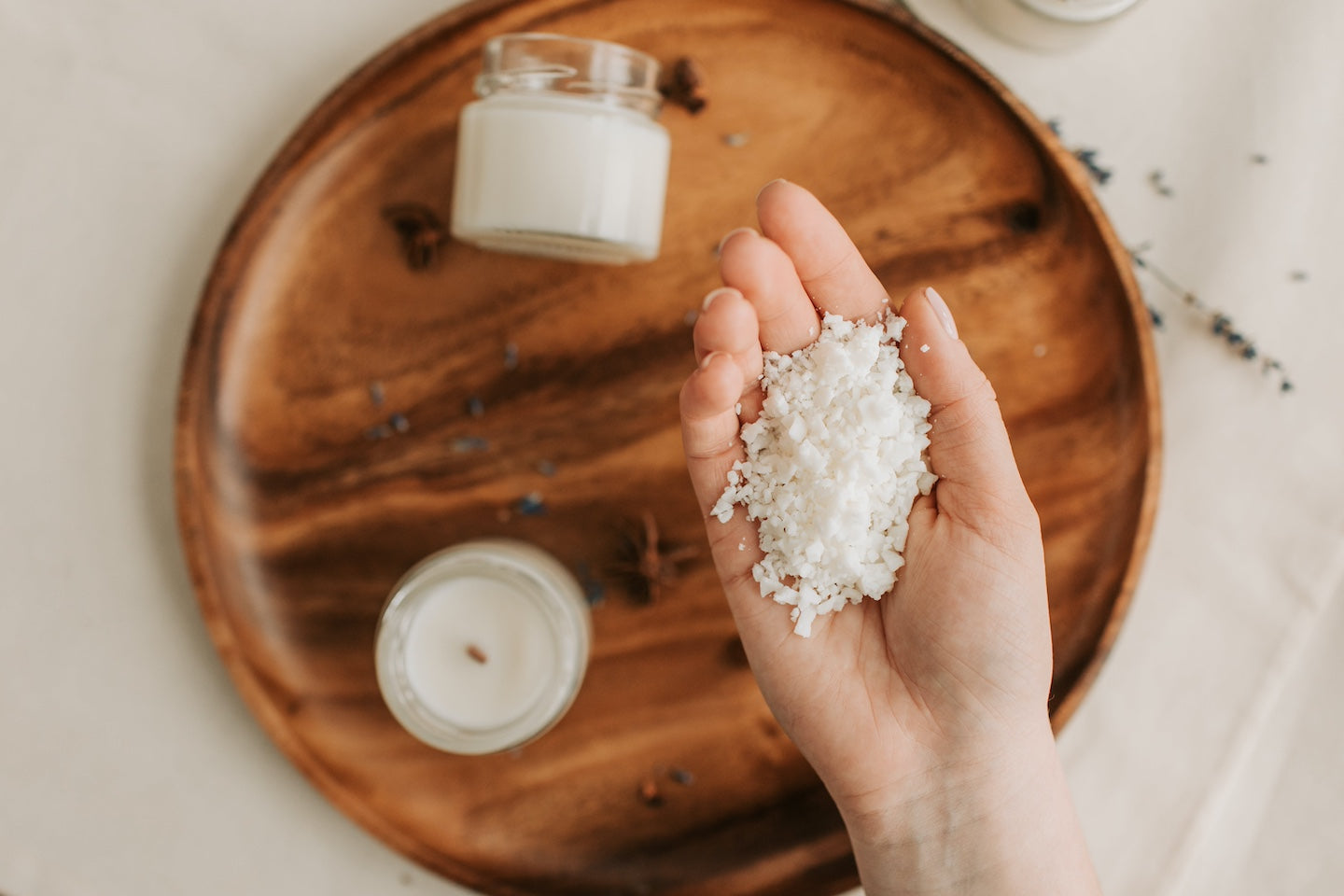
Many candle makers prefer to work with pure beeswax or to blend a small amount of beeswax into other waxes to increase firmness and extend burn time. In either case, the quality of the beeswax matters. Unrefined or poorly filtered beeswax can contain debris that affects how the candle burns. That is why working with reliable suppliers is crucial. For example, Pasieka Szabłowskich offers carefully filtered beeswax that maintains natural aroma while being ready for melting and moulding.
Beeswax in Skincare and Balm Making
Beeswax is also valued in skincare. When added to balms and creams, it helps create a protective layer that shields the skin from dryness without suffocating it. Unlike petroleum-based balms, beeswax allows the skin to breathe while still holding moisture.
Examples of products that commonly include beeswax:
- Lip balms
- Hand salves
- Beard and moustache balms
- Moisturising sticks for dry skin areas
- Baby care creams
Beeswax has a mild antibacterial property, which helps maintain product stability. It is also safe for sensitive skin when sourced and filtered properly.
Beeswax for Wood and Leather Care
Another traditional use for beeswax is in furniture and leather maintenance. When used in combination with linseed oil, jojoba oil or other natural oils, beeswax can form a durable polish that nourishes surfaces and protects them from moisture.
Examples include:
- Wooden table and countertop conditioning
- Restoring old furniture surfaces
- Leather shoes and bags care
- Polishing chopping boards or wooden kitchen utensils
Unlike synthetic polishes, a beeswax finish is subtle. It enhances the original natural grain of the wood instead of covering it with artificial shine.
How to Assess High-Quality Beeswax
Good beeswax should have:
- A consistent golden or amber colour
- A clean but mild honey-like fragrance
- No visible sediment or granules
- A smooth texture when warmed
Poor-quality beeswax may appear grey, overly brittle or have a smell that is sour or sharp. This can be a sign that it has been overheated or mixed with non-wax materials.
Choosing a trusted beekeeper matters. Supporting responsible beekeeping also supports healthy bee populations. Farms such as Pasieka Szabłowskich focus on careful hive management and maintain high standards of wax harvesting and filtering. Working with such suppliers ensures the bees are respected and that the final beeswax is pure and suitable for professional use.
Why Beeswax is a Sustainable Choice
Beeswax is renewable, biodegradable and requires no petrochemical inputs. When sourced responsibly, it aligns with environmentally conscious production. By using beeswax, people support beekeepers who play an essential role in maintaining healthy pollination systems. These systems directly affect food crops, wild plants and overall ecological balance.
Supporting bees is not simply a sentimental idea. Bee populations are essential to the stability of many ecosystems. Purchasing beeswax from ethical beekeeping farms contributes to the continuation of these environments.
Final Thoughts
Beeswax remains one of the most practical and genuinely natural materials available. It offers versatility, durability and a natural origin that does not require additional refinement. Whether used for candles, skincare, wood finishing or craft making, beeswax brings a sense of real substance and straightforward usefulness.
If you are looking for reliable, high-quality beeswax suitable for professional or home use, consider sourcing from a trusted producer such as Pasieka Szabłowskich. Their experience in beekeeping and commitment to sustainable production provides confidence in the quality of wax you receive.
Pumpkin Spice Candle by Silk & Fire: a natural autumn candle that smells like the season
The Benefits of Beeswax in Aromatherapy: Natural, Clean and Therapeutic
Related Posts

How to Choose a Non-Toxic Candle in the UK

The Benefits of Beeswax in Aromatherapy: Natural, Clean and Therapeutic
Pumpkin Spice Candle by Silk & Fire: a natural autumn candle that smells like the season
Embrace the Dark Side: Why "Dark Romance" is the Hottest Home Trend of 2025 - Silk & Fire

Candles and Scents: A Guide to Aromatherapy Candles, the British Way